US/EU Trade Deal Update – On Tuesday, the European Commission and EU co-legislators reached a compromise to implement the U.S.-EU trade deal ahead of President Trump’s July 4 deadline, which would keep tariffs on EU products capped at 15% while the agreement remains in place. The deal includes several safeguard and suspension mechanisms allowing the EU to revisit or suspend tariff reductions if U.S. tariffs increase above 15% or if steel and aluminum tariffs are not reduced by the end of 2026, creating the potential for renewed trade tensions later this year. While the agreement is expected to pass both the European Council and European Parliament in the coming weeks, some lawmakers continue to express concerns about U.S. trade unpredictability. Overall, the compromise is expected to provide at least short-term stability in U.S.-EU trade relations through 2026. We will continue to monitor the situation and provide updates accordingly.
Space Allocation Challenges in NZ – Please note that some shipping challenges are expected for New Zealand schedules due to ongoing space limitations across major carriers. Nelson feeder vessels are currently experiencing space constraints, while West Coast services have seen increased cargo rolling with Maersk due to rising volumes, with disruptions expected to continue for the next 8–10 weeks despite efforts to minimize delays. On the East Coast, reefer capacity remains full due to peak kiwi and produce exports, and dry cargo space is also tightening as more New Zealand exporters appear to be shifting bookings onto Maersk vessels. We encourage customers shipping from NZ to book shipments as far in advance as possible, and please prepare for potential delays and increased costs due to these disruptions.
Rail Disruption in Spain – Please note that ongoing infrastructure improvement on the railway network serving the Port of Barcelona is reducing train frequencies, particularly on the Barcelona–Zaragoza corridor, resulting in longer and less reliable transit times. These disruptions may cause delays in container deliveries to port terminals. To help mitigate risks such as missed vessel cut-offs and additional storage costs, we suggest shifting from intermodal to all-motor transport until service levels stabilize. We will continue to monitor this situation accordingly.
Floods in South Africa – Recent flooding across South Africa has increasingly impacted key wine regions in the Western Cape, including Stellenbosch, Paarl, Franschhoek, and Robertson. Heavy rains and flooding have caused vineyard erosion, waterlogged soils, infrastructure damage, and transport disruptions, while also increasing disease pressure in vineyards and creating concerns around grape quality and yields. Ongoing weather instability and logistical challenges continue to place additional strain on the South African wine industry. We are working with our teams in South Africa to provide the latest information, and will continue to do so as the year continues.
IEEPA Refunds Being Processed & Payments Issue – As we reported last week, thousands of importers have successfully submitted claims for IEEPA tariff refunds, and many importers are already receiving those refunds. If you have not submitted a claim OR set up an ACH Electronic Refund account in the ACE system and need assistance, please reach out to WSSA and we can assist in guiding you. Currently, only entries eligible for Phase 1 processing are being accepted and paid, with the next CAPE Phase 1 update from CBP expected by 5/26. There is still no guidance or date on Phase 2 entries, but we will continue to provide updates as they become available.
Tariff Landscape Update – Following the Court of International Trade’s ruling that the current Section 122 tariffs are unlawful, the Trump Administration quickly appealed the decision to the Federal Court of Appeals, which has agreed to hear the case on an expedited basis and temporarily stay the injunction against tariff collection, meaning importers must continue paying the tariffs while litigation proceeds. Although no immediate action is required, importers may wish to consider potential litigation strategies as the case advances and the possibility of future refunds remains. At the same time, the Administration continues moving forward with Section 301 investigations into structural excess capacity across 16 economies, with officials signaling that new tariffs could be introduced in the coming weeks, potentially as a replacement for the invalidated IEEPA duties. Industry testimony and public comments have largely urged a more targeted approach, particularly distinguishing China from other countries under investigation, while former trade officials have suggested the Administration is unlikely to abandon tariffs altogether but may narrow their application to avoid impacting goods unavailable in the U.S. or critical production inputs. Separately, recent Section 232 revisions adjusted steel and aluminum tariff coverage and valuation methods, including removing aluminum can tariffs on imported beer, although the products remain subject to the 10% Section 122 tariff. Industry associations continue to push back against tariffs, and we will continue to keep tabs on these developments.
LCL Services from France, Italy, and Spain/Portugal – Bi-monthly departures continue from each of these countries for your small shipments, offering a per case rate from point of pick up to the Alba Wine and Spirits warehouse in Edison New Jersey. Shipments from other European countries can be added into the mix, with pick-ups offered in most European countries. Please let us know if you need any further information!
AgTC Annual Meeting Recap – WSSA was pleased to attend and participate in this year’s Agriculture Transportation Coalition (AgTC) Annual Meeting, which brought together exporters, importers, transportation providers, and government officials to discuss the key challenges and opportunities facing global agricultural trade and logistics. Throughout the conference, discussions focused heavily on ongoing supply chain disruptions, port congestion, carrier reliability, trade policy developments, and the increasing pressures impacting international shipping markets.
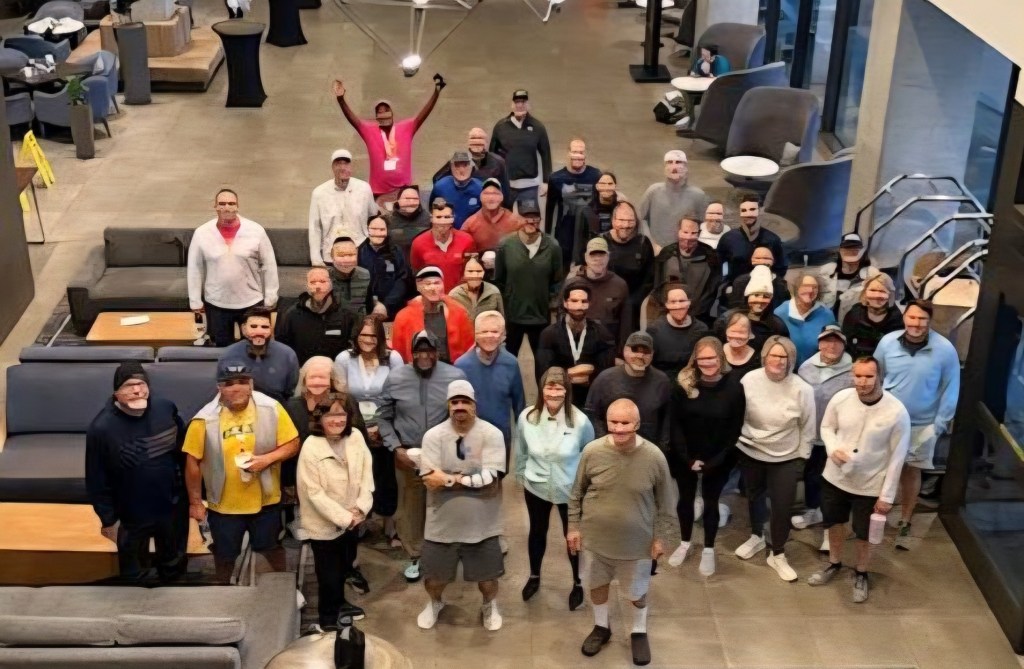
In addition to attending and participating in educational sessions and discussions, WSSA once again hosted the Annual Run-Walk, offering participants the chance to start the day with a vigorous jog or leisurely stroll before the start of sessions. All participants received a prize goody bag with a fun boozy treat inside! The conference reinforced the importance of collaboration across the supply chain industry, and we are already looking forward to next year’s participation!


Leave a Reply